First, take a breath and read the whole report
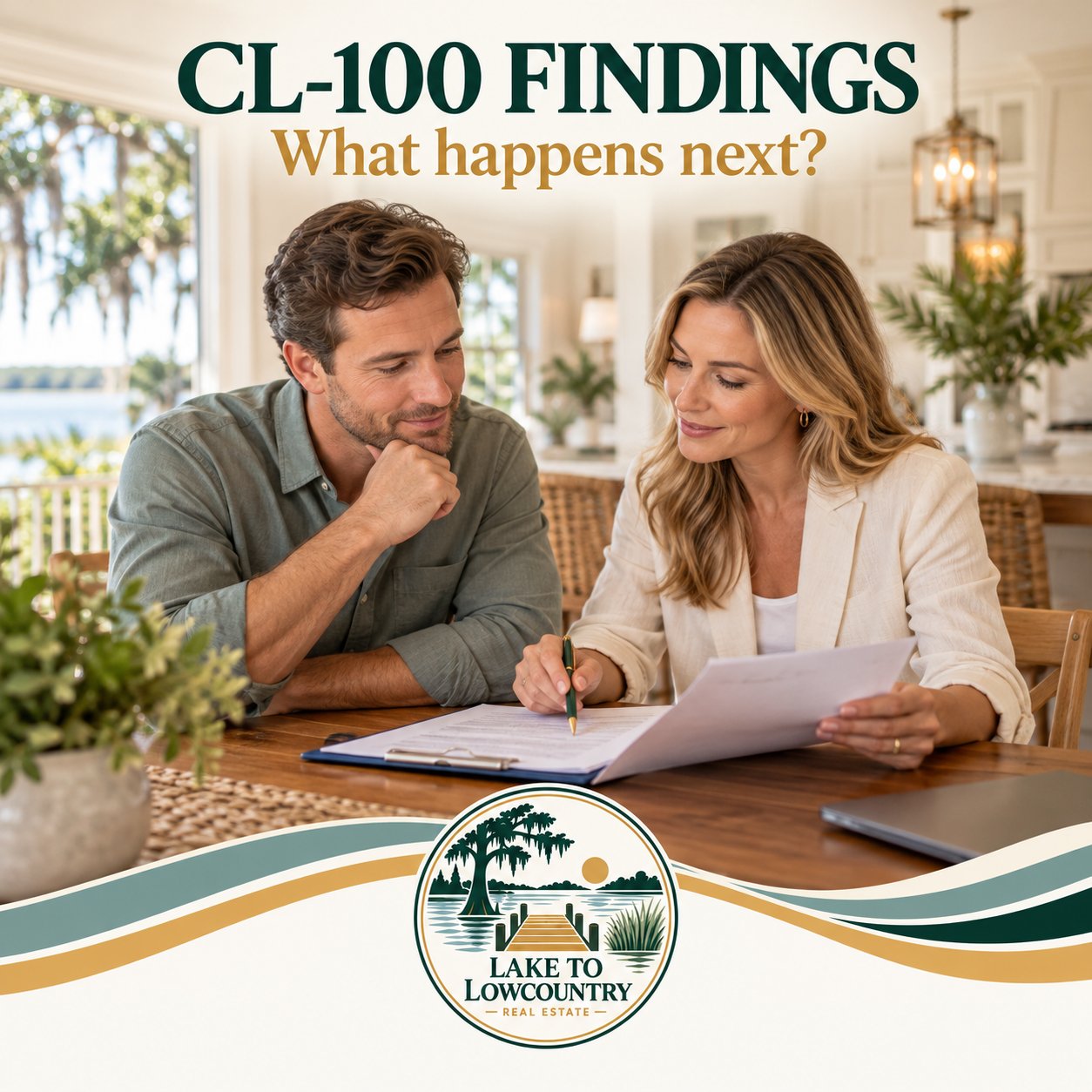
A CL-100 finding can bring up a lot of questions at once: Is the activity current? How much damage was seen? Was any part of the home inaccessible? Does someone need to look at it more closely? Those are fair questions. The report is a starting point for getting clear answers, not an automatic decision about the sale.
Start with the inspector’s written explanation. If you need help understanding what the pest-control professional observed, contact the inspector. If there is visible damage and you need to know whether it affects the structure, the CL-100 form recommends a qualified building professional for further evaluation. A broker can help explain how the report fits into the transaction, but I am not the person to diagnose pest activity or structural damage.
The contract matters
People sometimes assume a seller always pays for the report, or that every finding must be repaired before closing. Those assumptions can create confusion. The purchase agreement and any written amendments are what the parties should look to for their agreed responsibilities, deadlines, and options. A lender may also have requirements that affect the transaction. The details depend on the contract and the loan.
This is why I encourage buyers and sellers to talk through the actual contract language with their real estate professional before making assumptions. If the contract gives you a deadline to investigate or respond, keep that date in view. If you need an interpretation of legal rights or contract obligations, speak with a South Carolina real estate attorney.
Questions that can help move the conversation forward
What exactly did the inspector observe, and where?
Was any part of the structure inaccessible during the inspection?
Does the report describe active activity, previous activity, visible damage, moisture readings, or more than one of these?
Would a follow-up from a pest-control professional or qualified building expert help answer the remaining question?
What does our signed agreement say about the report, timing, and responsibility for any next step?
Does the lender have a requirement related to this report?
Clear questions make for calmer decisions
I know a CL-100 can sound like one more piece of paperwork in an already busy transaction. But when you slow down, read the whole report, and ask the right person the right question, it becomes easier to understand what you know and what still needs a professional’s attention.
That is how I approach real estate education: explain what I can, be honest about what I cannot determine, and help you connect the dots with the right professional. If a CL-100 comes up in your South Carolina transaction, I’m happy to help you understand where it fits in the process.
Sources: Clemson University Department of Pesticide Regulation, Official Wood Infestation Report: https://www.clemson.edu/public/regulatory/pesticide-regulation/forms/wood-infestation-report.pdf | South Carolina Regulation 27-1085(K): https://www.scstatehouse.gov/coderegs/Chapter%2027.pdf
Educational note: This series explains general information about South Carolina Wood Infestation Reports. It is not pest-control, structural, legal, or contract advice. The report should be interpreted by the licensed inspector and other qualified professionals as needed.